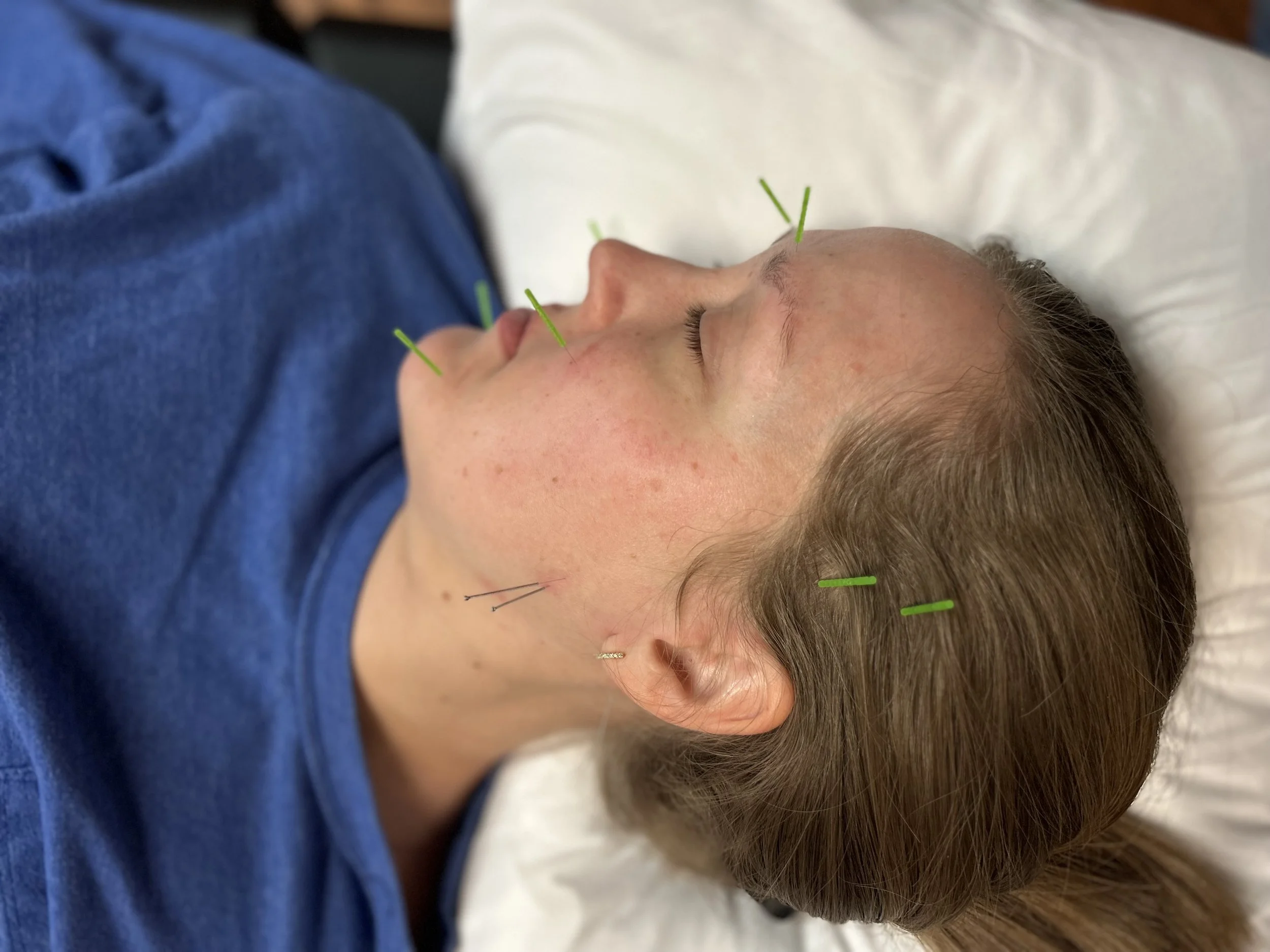
Jaw pain, clicking, headaches, and difficulty chewing are common symptoms of TMJ dysfunction (temporomandibular joint disorder). Many people assume the problem is strictly dental, but in reality, TMJ dysfunction is often related to muscle tension, movement dysfunction, and nervous system irritation.
At The Needle Doc in Manhattan, Kansas, we frequently help patients experiencing TMJ pain, headaches, and jaw tension through physical therapy and dry needling. Physical therapy, especially when combined with dry needling, can be a highly effective way to reduce pain, restore jaw mobility, and address the underlying cause of TMJ symptoms.
The Role of Muscles in TMJ Pain
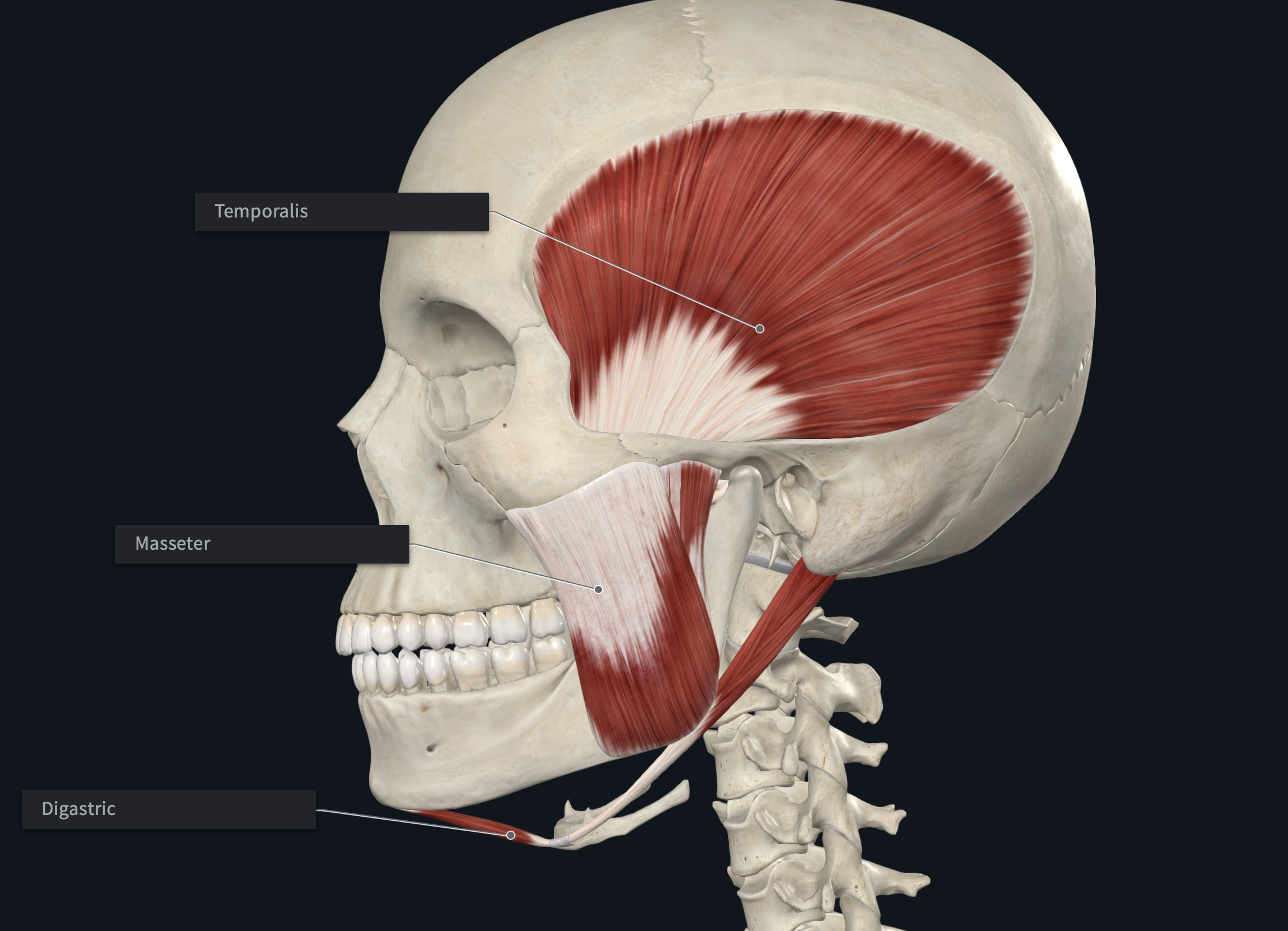
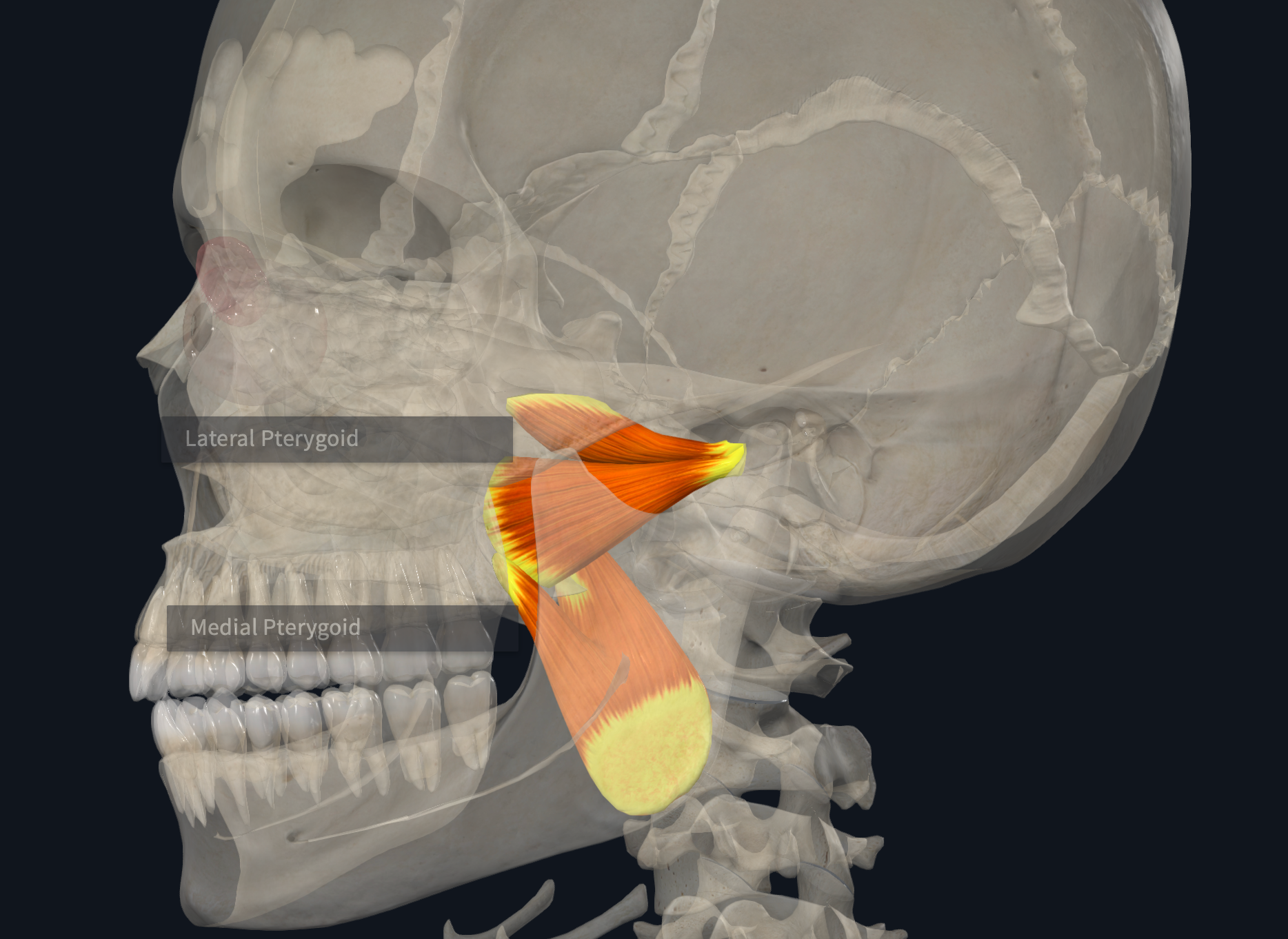
Several muscles control jaw movement, including the masseter, temporalis, lateral pterygoid, medial pterygoid, digastric, and cervical musculature.
When these muscles become overactive or develop trigger points, they can create:
Referred pain into the jaw, teeth, or ear
Limited mouth opening
Clicking or locking sensations
Headaches or facial pain
Why the Trigeminal Nerve Matters

The trigeminal nerve is responsible for:
Sensation of the forehead, eye, cheek, sinuses, upper and lower teeth
Motor to the muscles used for chewing
When this nerve or its branches become irritated or inflamed, the brain interprets those signals as pain. That’s why TMJ issues can cause symptoms like:
Guarding in the jaw muscles
Tooth pain without a dental cause
Sinus or fascial pressure and pain
Pain behind the eyes
Headaches or migraines
Jaw fatigue
Neck pain
How Dry Needling Helps Jaw Pain
Dry needling the jaw muscles and trigeminal nerve distribution helps reduce trigger points, decrease muscle guarding, reduce inflammation and restore normal muscle function.
What Does The Research Say?
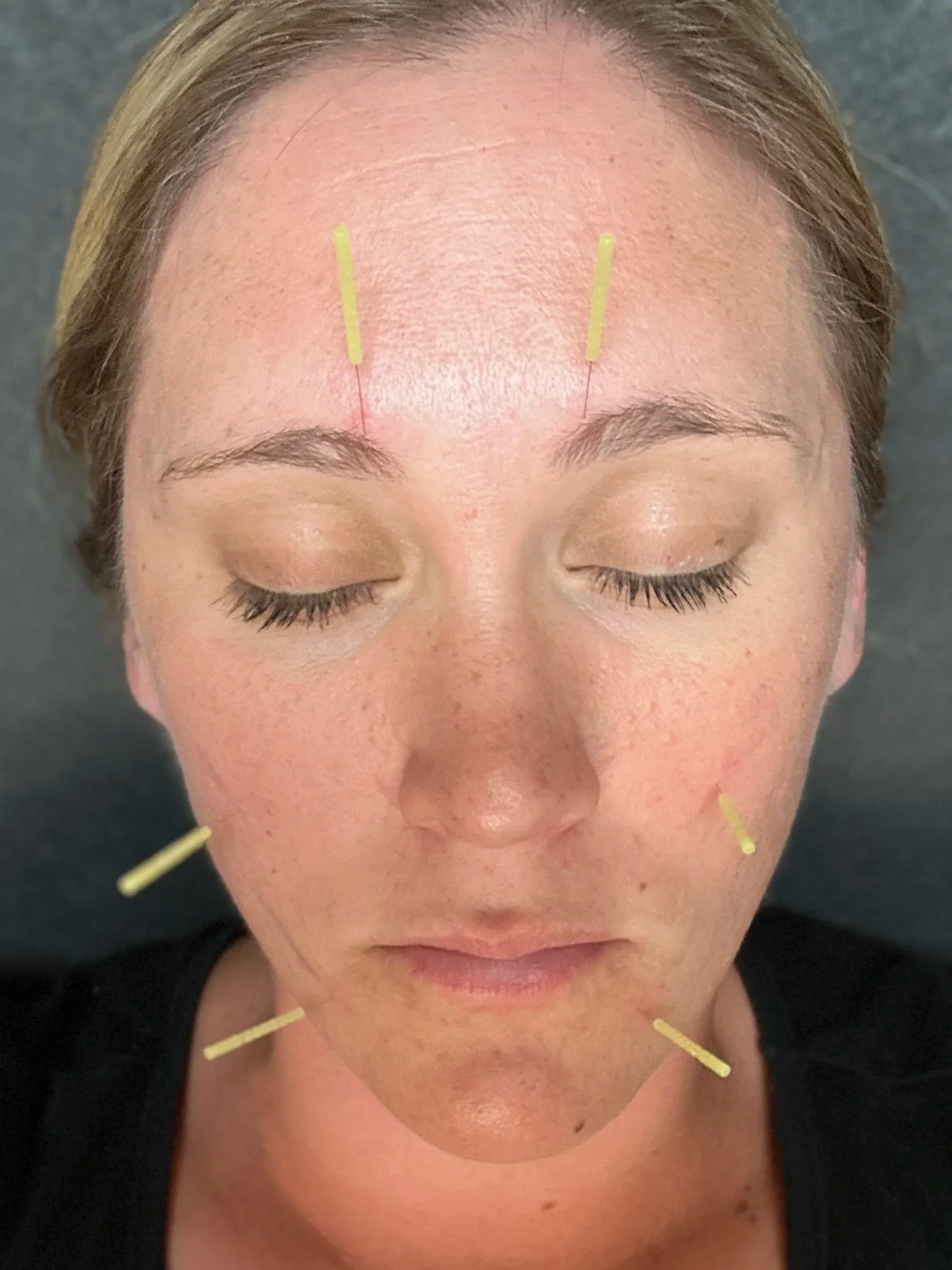
A systematic review by La Touche et al. found that dry needling can help reduce pain and improve jaw function in patients with myofascial temporomandibular disorders, particularly when combined with conservative treatments such as physical therapy.
These findings support the role of dry needling as part of a comprehensive approach that addresses both the muscular and neurological components of TMJ dysfunction.
A Multifactorial Approach to TMJ Treatment
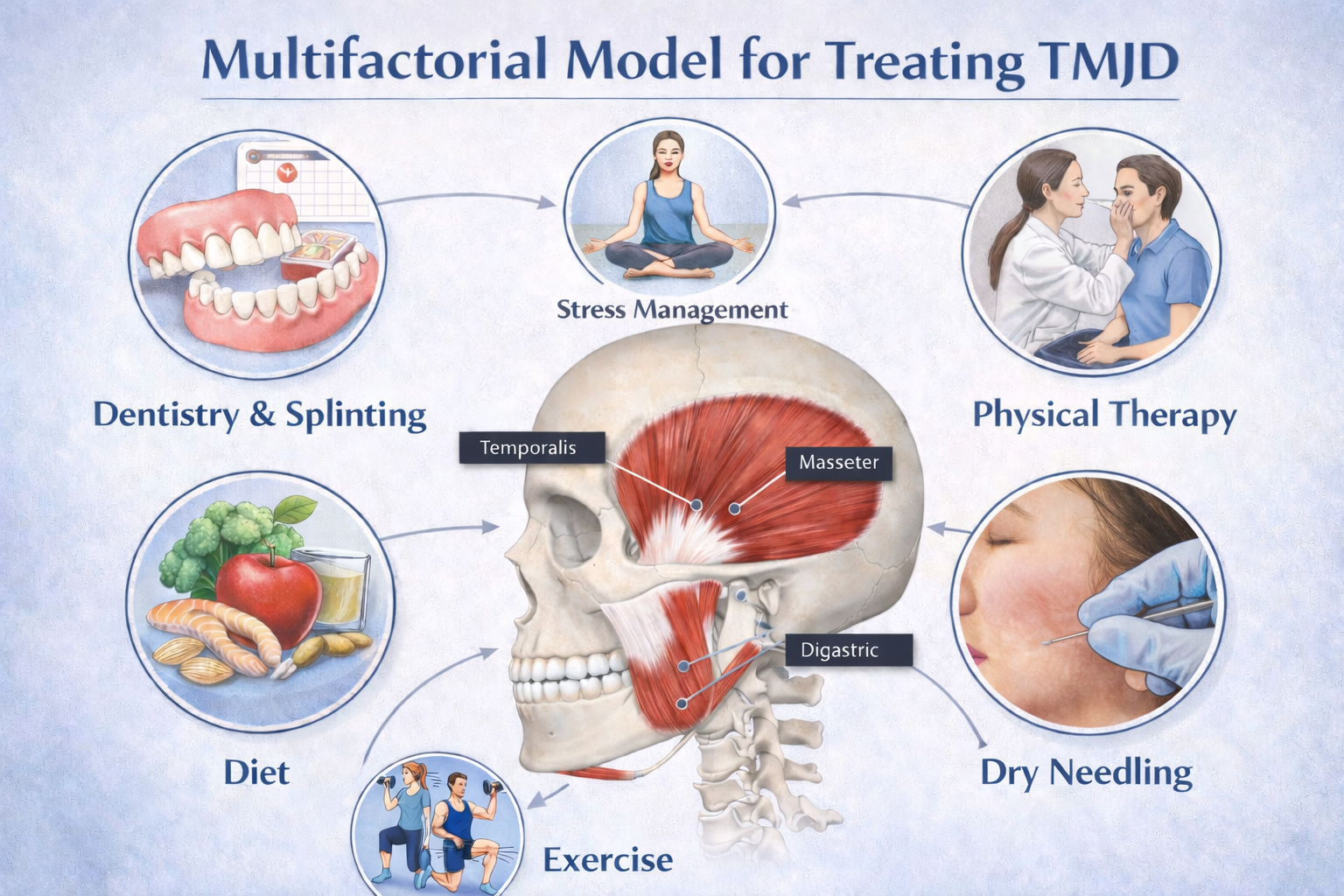
While dry needling can be highly effective for reducing muscle tension and pain, long-term improvement in TMJ dysfunction often requires addressing the underlying contributors to the condition.
Temporomandibular disorders are frequently influenced by factors such as muscle overactivity, cervical spine dysfunction, postural strain, and habits like clenching or grinding. For this reason, treatment is most effective when dry needling is combined with patient education and targeted exercise.
Education helps patients recognize daily habits or movement patterns that may be placing excessive stress on the jaw. Targeted exercises are then used to improve jaw coordination, cervical mobility, and muscular balance.
This comprehensive approach not only helps reduce pain but also promotes more efficient movement and long-term management of TMJ symptoms.
Simple Exercises to Reduce Jaw Tension

Jaw Relaxation Awareness
One of the most important habits for TMJ health is learning to keep the jaw in a relaxed resting position.
• Allow the teeth to remain slightly apart
• Let the tongue rest gently on the roof of the mouth
• Keep the lips closed but the jaw relaxed

Controlled Jaw Opening
Place the tip of your tongue on the roof of your mouth just behind your front teeth.
Slowly open your mouth while keeping the tongue in place.
Open only as far as you can without pain or clicking.
Slowly close your mouth.
Repeat 8–10 repetitions, focusing on smooth and controlled movement.
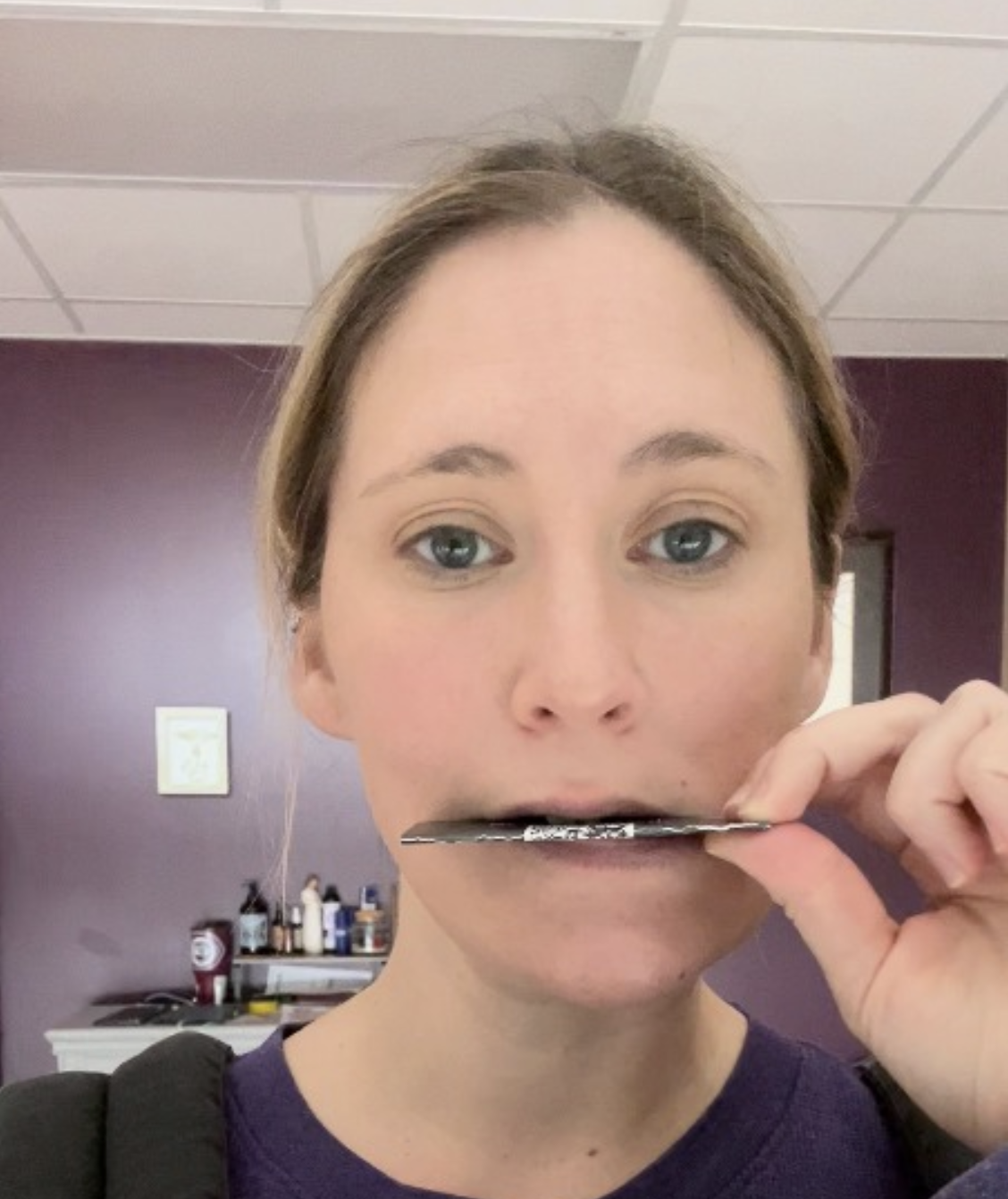
Lateral Deviation
Place a popsicle stick or tongue depressor in between your teeth.
Slide your bottom jaw forward while maintaining contact with the stick. Return to the starting position. Do not force your jaw to move farther than it’s willing to go.
Repeat 8–10 repetitions, focusing on smooth and controlled movement.

Upper Trapezius Stretch
While seated, let one arm hang down by your side. With the opposite hand, gently bring your ear toward your shoulder until you feel a stretch in our neck.
Hold 20–30 seconds per side.
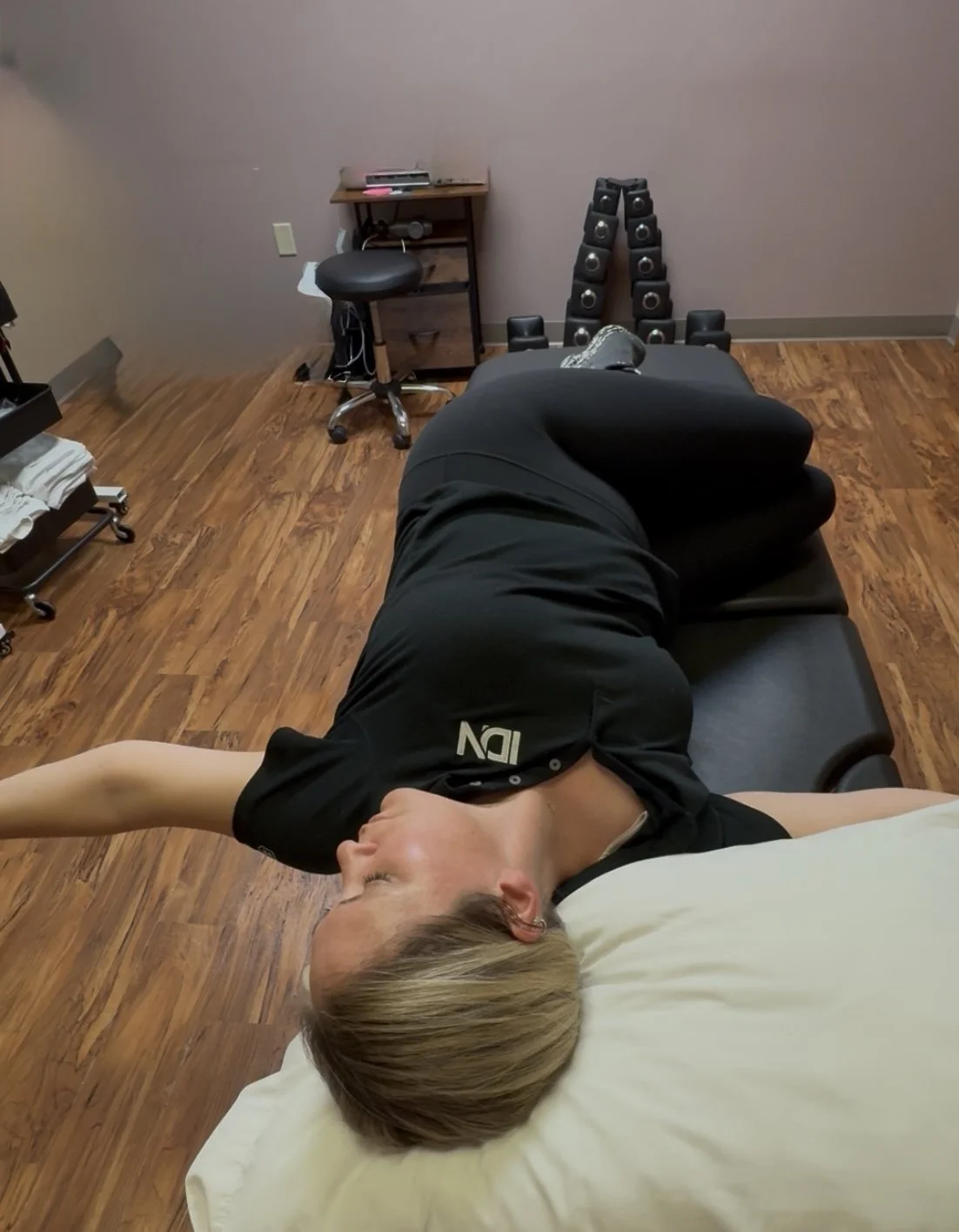
Open Book Mobilization
Lie on your side with knees bent and arms extended in front of you. Slowly open your top arm across your body toward the floor on the opposite side, rotating through your upper back. This improves mobility and relieves tension.
Perform 1 set of 10 reps with a 5 second hold.
Ready to Find Relief From TMJ Pain?
If you’re struggling with frequent TMJ issues, schedule an appointment with The Needle Doc by clicking the link below to see how integrative dry needling and physical therapy can help you. Together, we’ll create a plan to relieve tension, calm nerves, and restore comfort.
If you also experience headaches, you may benefit from reading our blog on headaches.
A Note of Caution
The exercises provided in this article are intended for general educational purposes only and are not a substitute for individualized medical advice or treatment. Always consult with a qualified healthcare professional before beginning any new exercise or treatment program, especially if you are experiencing persistent pain, significant jaw dysfunction, or other medical concerns. The above exercises are just a few of many that can help TMJ discomfort.
If any exercise increases pain or discomfort, discontinue the activity and seek guidance from a healthcare provider. An evaluation by a licensed physical therapist or other medical professional can help determine the most appropriate treatment plan for your specific condition.
