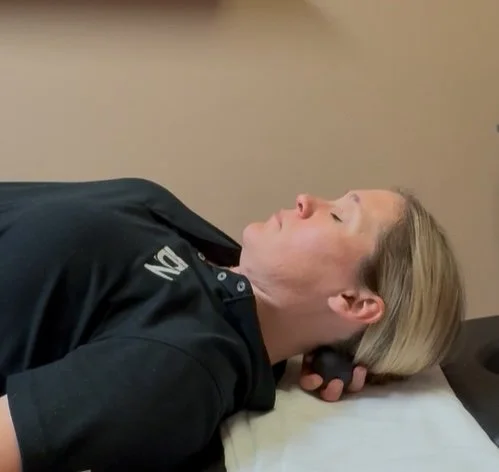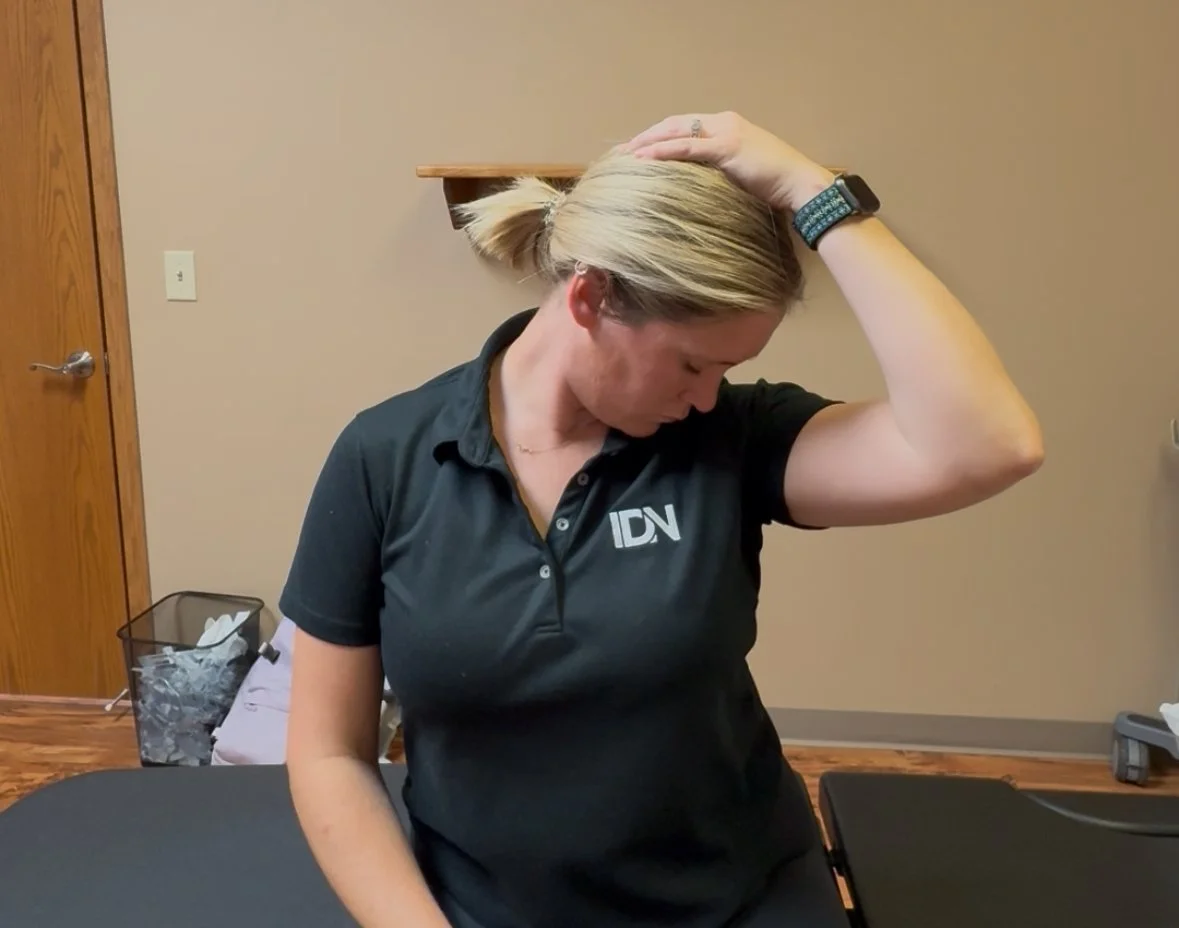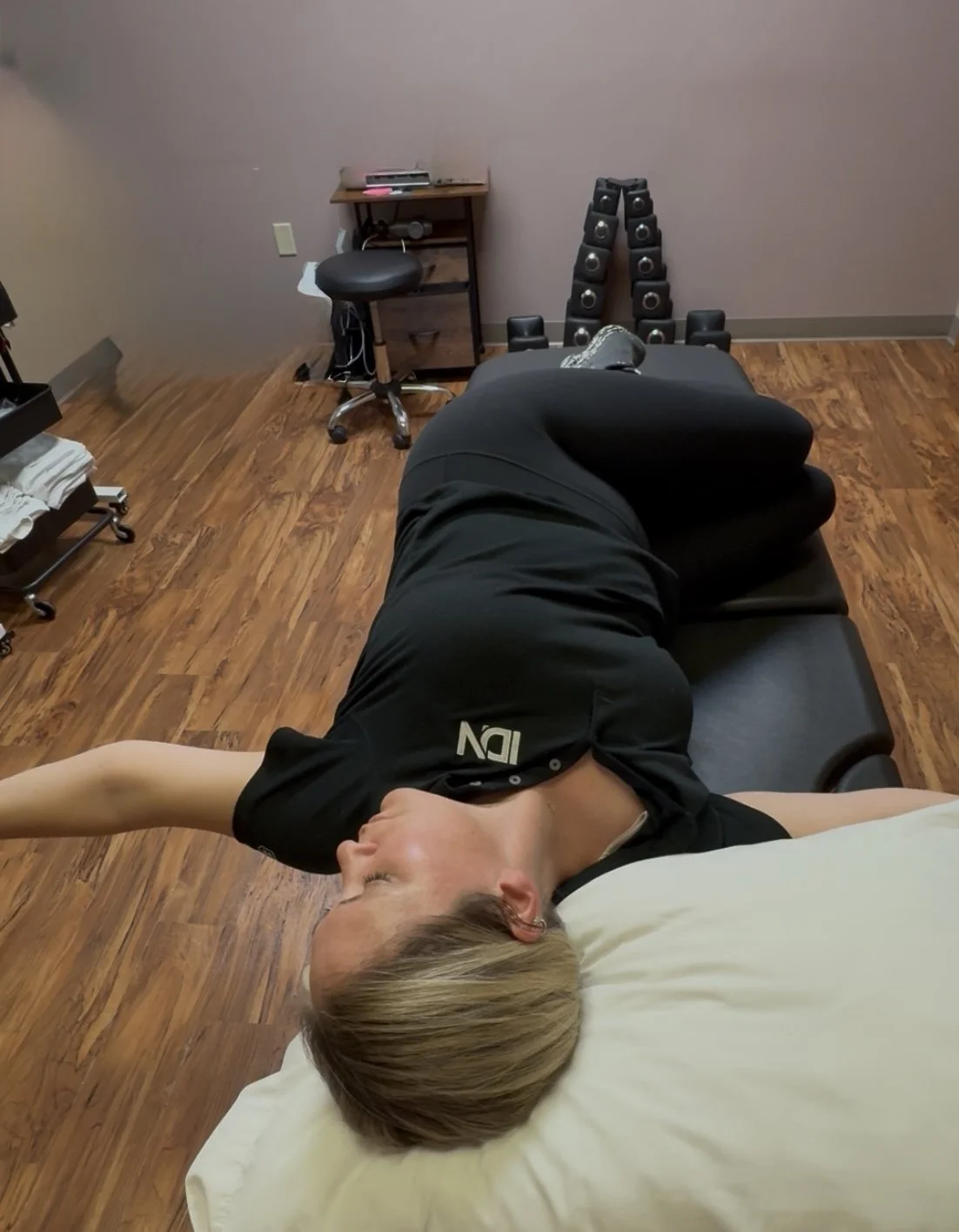
Headaches and migraines can be debilitating, disrupting daily life and productivity. At The Needle Doc in Manhattan, Kansas, I see many people searching for a safe, effective way to address the source of their pain rather than just masking symptoms. That’s where integrative dry needling comes in. My mission is to help patients reduce headache frequency and intensity by addressing the muscular and neural contributors to pain. Integrative dry needling, combined with a few daily self-care techniques, can be a powerful way to take back control and improve quality of life.
What Is Integrative Dry Needling
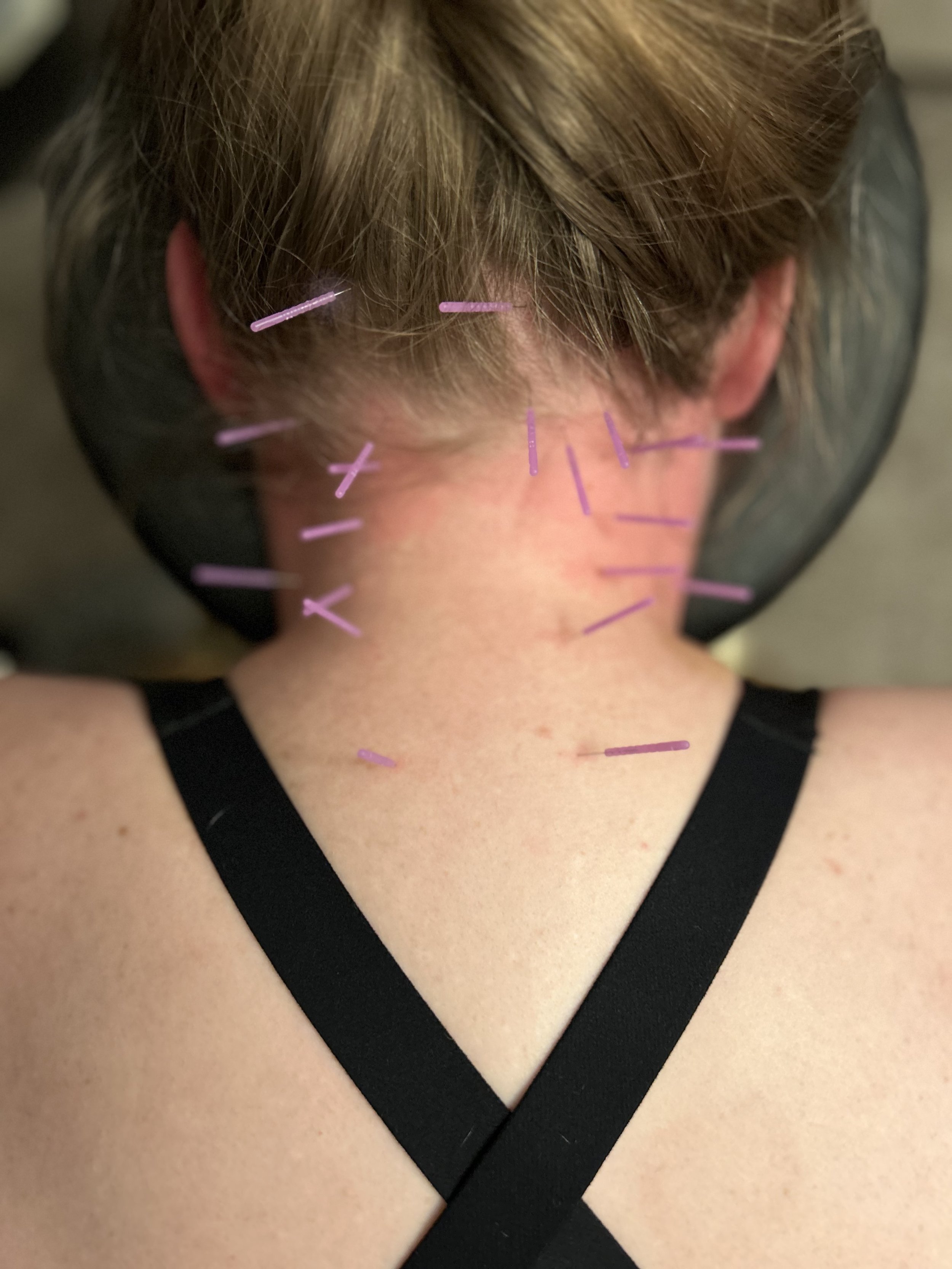
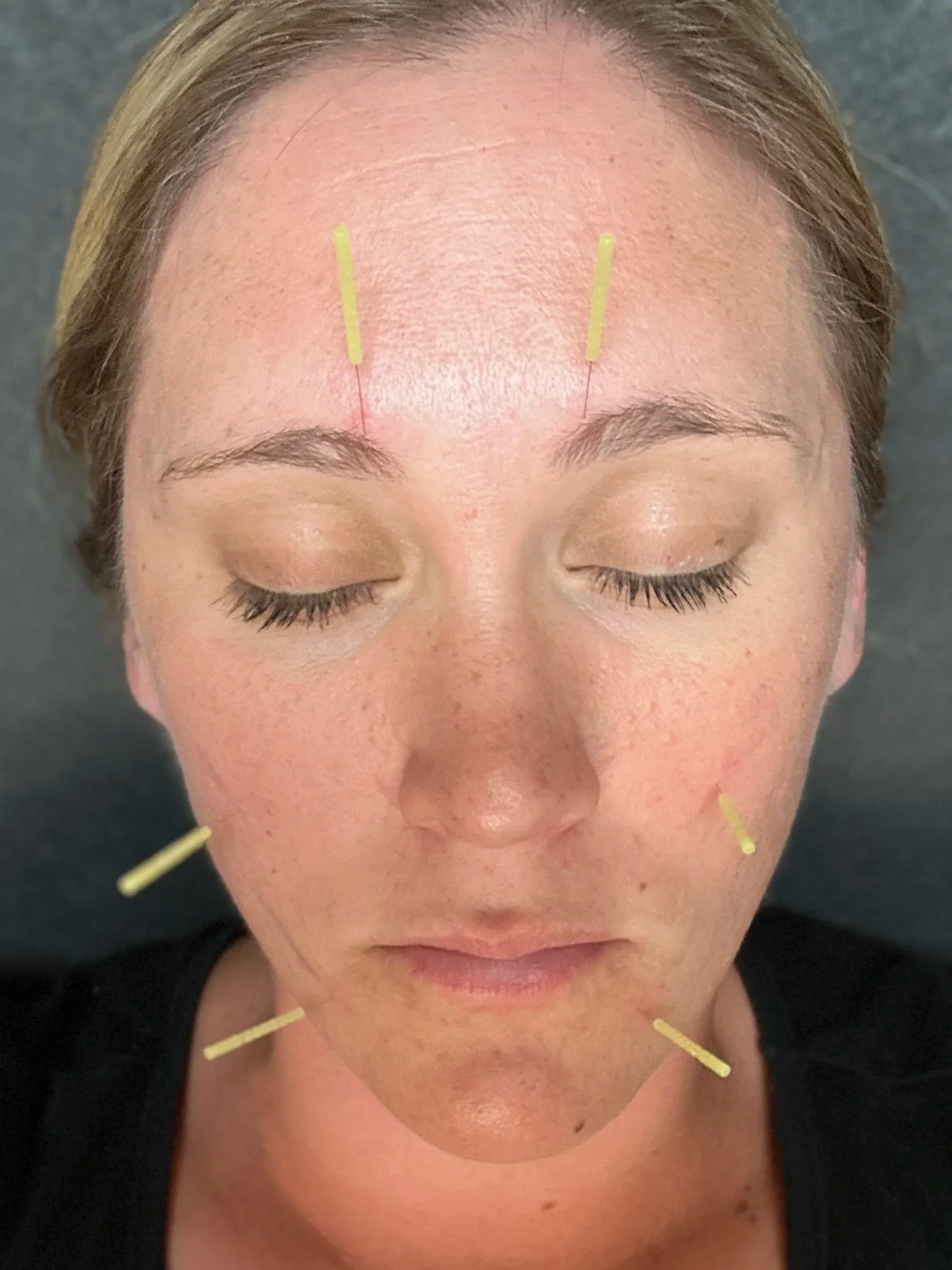
Integrative dry needling is a technique where very thin, sterile needles are inserted along nerve distributions, muscles and other involved soft tissues. This helps reduce tension, improve blood flow, and calm inflammation of the nervous system resulting in reduced pain.
For people with headaches or migraines, we focus on areas like the base of the skull, the neck, and the shoulders—places where tight muscles and sensitive nerve pathways often contribute to head pain.
Why Nerves Play a Big Role in Headaches
Two key nerves are often involved in headaches and migraines:

The Trigeminal Nerve
This is the largest cranial nerve, responsible for sensation across the face, scalp, and jaw. When this nerve or its branches become irritated or inflamed, the brain interprets those signals as pain. That’s why migraines often come with facial pressure, eye pain, temple pain, and jaw tension.

The Greater Occipital Nerve
This nerve runs from the upper cervical spine (neck) up through the back of the head toward the scalp. Irritation or inflammation here is strongly associated with occipital headaches and migraines that start in the neck and radiate over the head in a “ram like” pattern.
When either of these nerves is irritated — by tight muscles, restricted joints, or inflammation — it can trigger headache or migraine episodes. This is where dry needling shines: by calming the surrounding tissues and decreasing irritation of these nerve pathways, we can help reduce the frequency and intensity of pain.
What The Evidence Says
Dry needling isn’t just anecdotal — it’s supported by clinical research. One standout study, “Immediate effects of superficial dry needling of the trigeminal nerve innervation field for participants with cervicogenic headache: A randomized controlled trial”, found that even one session of dry needling led to immediate reductions in headache pain and improved neck function.
Other randomized controlled trials have found similar benefits:

Together, these findings show what we see every day in our clinic — dry needling works. It calms overactive nerve pathways, relaxes tight muscles, and restores natural movement, helping patients take back control of their lives.
What A Migraine/Headache Treatment May Look Like
Physical therapy can help address headaches that stem from tension, joint dysfunction, or nerve irritation in the neck and jaw. Treatment often focuses on improving movement, reducing muscle tension, and calming irritated nerves that contribute to headache pain.
Treatment may include:
• Manual therapy to improve mobility in the neck and surrounding joints
• Dry needling to reduce muscle tension and trigger points
• Targeted exercises to strengthen and support proper movement
• Posture and movement education to reduce strain on the neck and head
By addressing the underlying contributors to headaches, physical therapy aims to reduce the frequency and intensity of symptoms, rather than simply masking the pain.